
- aviation
- energy
- projects
von Paul Bijan Coch
Heart Aerospace — hybrid honesty for regional flight
The ES-30 is a 30-seat hybrid-electric regional. Batteries do the short hops; turbines cover the rest. X1 flew in 2026. Certification is aimed at 2031.
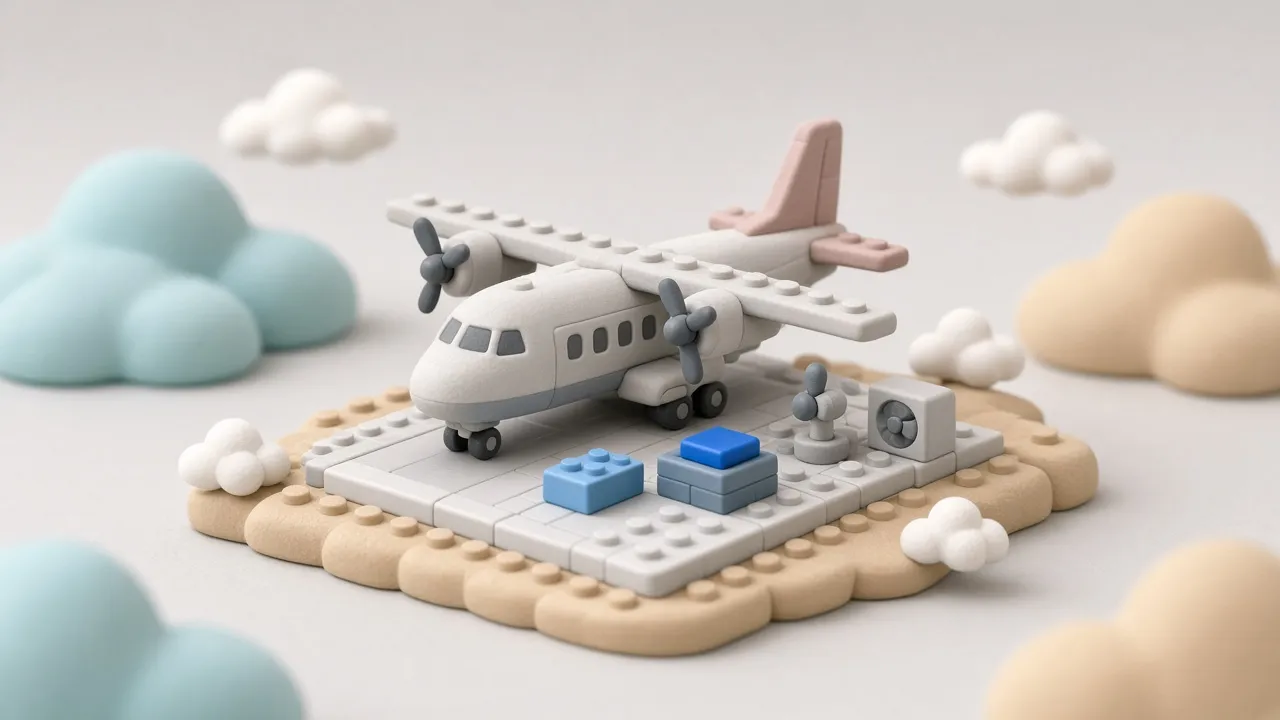
This is the first project on the landscape: not a flying-car sketch, a regional airplane with numbers.
Heart Aerospace is building the ES-30, a clean-sheet 30-seat hybrid-electric airliner. The company’s own spec (September 2026) is short enough to memorize:
- 30 passengers, 25 kg of bags each
- 200 km all-electric range
- 800 km hybrid range
- about 30 minutes to recharge
- more than 40% lower aircraft operating cost than today’s regional baseline
- type certification aimed at 2031
That is the product. The rest is why those numbers look like that.
The battery is not a personality
Heart started with a 19-seat all-electric ES-19. The physics of energy density did not care. An honest regional sector is longer than a happy battery, and a 19-seat cabin is a hard way to pay for a clean-sheet airplane. The company resized to thirty seats and added hybrid propulsion so the airplane can fly the routes airlines already sell.
The lesson is blunt: electric where the battery is enough, combustion where it is not. Climate copy that pretends otherwise is a different product.
Independent hybrid, not a generator in a trench coat
Heart’s production layout is an independent hybrid: electric motors that can fly the airplane alone, plus turboprops on the wing for the longer missions. In 2024 the company dropped a series-hybrid turbogenerator so all-electric sectors would not haul a generator they were not using. The X1 demonstrator that flew in 2026 is fully electric. The ES-30 that has to carry paying passengers is not. That split is the point.
X1 is large on purpose — Heart quotes a 106-foot wingspan, 76-foot fuselage, and more than 25,000 pounds takeoff weight, and called it the largest battery-electric airplane yet flown after the 13 August 2026 hop at Plattsburgh International Airport. The FAA had issued a Special Airworthiness Certificate in the Experimental Category on 23 July 2026. A demonstrator is not a 30-seat airliner. It is the article you fly so the airliner is not the first time the numbers meet a runway.
Cost first, then the carbon
Heart’s public pitch leads with operating cost, not a climate sermon. Energy from the grid instead of jet fuel, simpler electric propulsion, less maintenance, less time on the ground. Zero operational CO₂ on all-electric routes is a consequence of that energy swap. Carbon taxes and airport fees sit in the same column. If the economics do not work, the climate story never boards.
Single-pilot operations “from entry into service, with autonomous flight introduced over time” is a design bet on crew cost. It is not a present capability. Treat it as a plan, not as a flying fact.
Calendars still move
Heart once talked about certification in the late 2020s. The ES-30 page now says 2031. Flight test of a pre-production article is described for 2028. Electric aviation programs slip; the useful question is whether the hardware still exists when they do. As of August 2026, a full-scale demonstrator has flown. The $9.4 billion order book Heart cites (United Airlines and Air Canada among the names) is a demand signal. It is not a type certificate, and it is not a passenger.
In the landscape
The clay hangar on the Flughafen block stands for this airplane. Hover it, or scroll the camera onto the airport: the popover carries the summary and opens this page. If Heart’s dates move, this page moves with them. If the airplane ships, the hangar was already in the right district.
The numbers come from Heart’s own pages and from contemporary reporting of the 13 August 2026 X1 flight. Nothing here goes beyond what Heart publishes.
Bewertung
Fünf Punkte je Dimension. Bei Risiken bedeuten mehr Punkte mehr Risiko.
- Nachhaltigkeit und Umweltschutz
- Wirtschaft
- Technisches Risiko
- Soziales Risiko
Schreib mir, um darüber zu sprechen, es zu teilen oder gemeinsam daran zu arbeiten
Wenn dieser Beitrag eine Tür öffnet — ein Feature, ein Workshop, ein gemeinsames Vorhaben — schreib mir. Ich lese jede Nachricht.